- Wiscampsin Weekly
- Posts
- 1st Sandhill crane hunting season?
1st Sandhill crane hunting season?
Plus: Skiing history, water detectives, and outdoor economy

Forrest Koslowski
January 22, 2026
Wiscampsin Weekly brought to you by:

Mornin’ to everyone looking to donate to the Endangered Resource Fund. This is the Wiscampsin Weekly, the email that gets you in the know on the Wisconsin outdoors in 5 minutes or less. New reader? Subscribe here.
This week’s weekly:
⛷️ Skiing history hits the big screen in Ironwood
🐛 The tiny "water detectives" protecting our rivers
🌲 Outdoor rec = big business in Wisconsin
🦢 STORY OF THE WEEK: Wisconsin’s “Ribeye in the Sky” debate is heating up
⛷️ Skiing history hits the big screen in Ironwood LINK
Ever wonder why we’re so obsessed with sliding down snowy hills? The new documentary “The Spirit of the Hill” is heading to the Historic Ironwood Theatre on January 24th to explain exactly how the U.P. became a legendary skiing hub.
It’s not just about the gear; the film dives into the deep cultural roots and the community grit that turned the Northwoods into a winter sports mecca long before fancy lifts and heated lodges were a thing.
If you need a reason to brave the cold, this is it—tickets are just $10, and it’s the perfect excuse to soak up some local heritage while surrounded by fellow winter-obsessed Yoopers and Wisconsinites.
🐛 The tiny "water detectives" protecting our rivers LINK
Next time you see a bug skimming across a Wisconsin stream, give it a little nod of thanks; a new project called BenthicNet is training students to use these "benthic invertebrates" (aka bottom-dwelling critters) to track the health of our waterways.
It turns out that bugs like mayflies and stoneflies are basically the "canaries in the coal mine" for our lakes—since they’re super sensitive to pollution, their presence (or absence) tells scientists exactly how clean our water really is.
Partners from across the UW system are currently digitizing millions of specimens—some dating back decades—to create a massive online database that will help us keep our favorite fishing and swimming holes "swimmable, drinkable, and fishable" for years to come.
🌲Outdoor rec = big business in Wisconsin LINK
Turns out your weekend hiking trips and lake days are doing more than just clearing your head; a new report shows that just five of our favorite outdoor spots—like the Heart of Vilas County Bike Trail and Peninsula State Park—pumped over $49 million into local economies this past year.
From the $25 million generated by cyclists in the Northwoods to the $20 million blooming at Olbrich Botanical Gardens, these "DIY" reports prove that keeping Wisconsin wild is one of the smartest investments we can make.
Governor Evers and the Office of Outdoor Recreation are making this official by turning the office into a permanent fixture, ensuring that our trails, parks, and waterways get the respect (and funding) they deserve for being the economic engines they are.
Please give our sponsors a click!
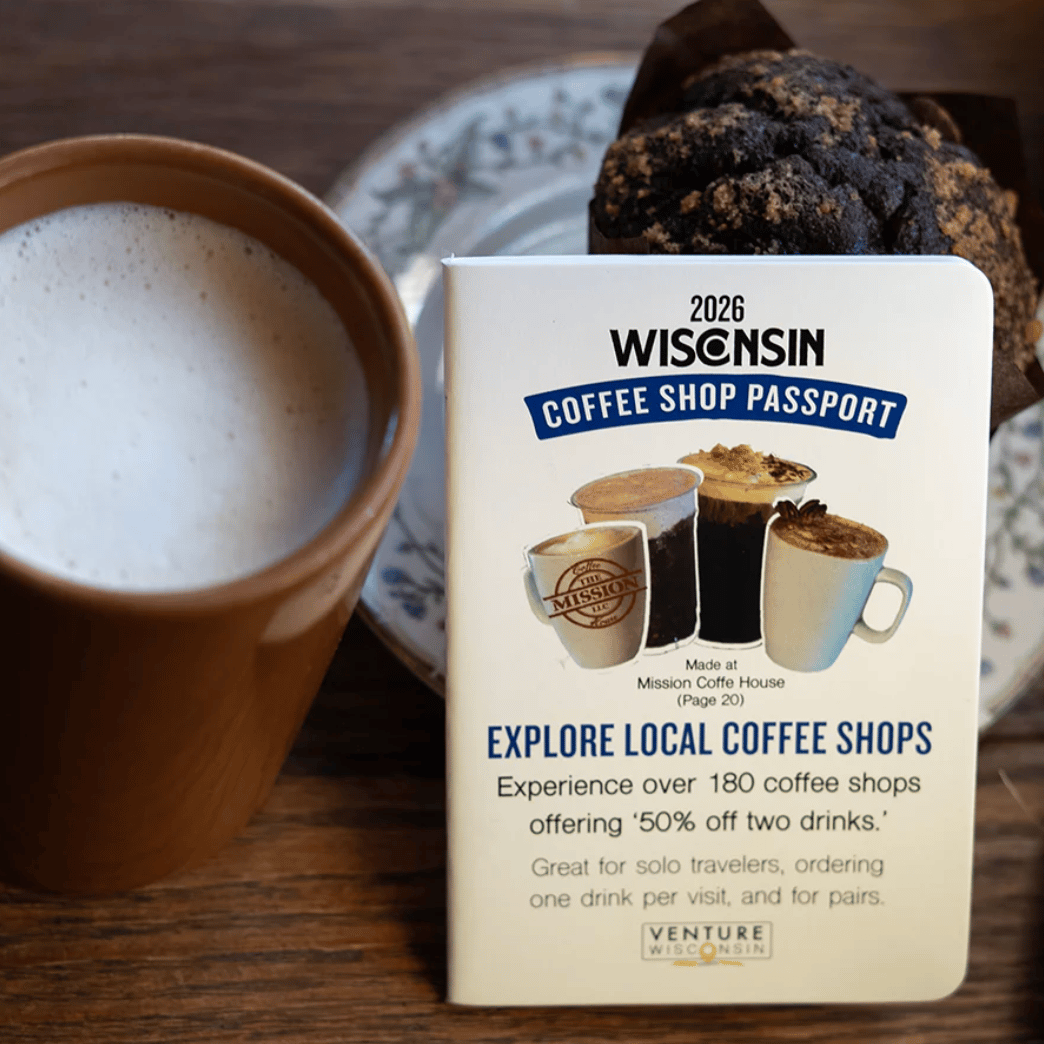
Looking for the perfect excuse to hit the road this year? Meet the 2026 Wisconsin Coffee Shop Passport.
It’s your golden ticket to 200 of the state’s coolest, most unique cafes—and it pays for itself in caffeine!
Every stop gets you 50% off two drinks, whether you’re sharing a latte with a pal or double-fisting espressos (hey we don’t judge). From hidden Northwoods gems to cozy city nooks, it’s the ultimate way to sip your way across the Dairyland.
Grab yours today and plan your outing with a friend!
🦢STORY OF THE WEEK: Wisconsin’s “Ribeye in the Sky” debate is heating up
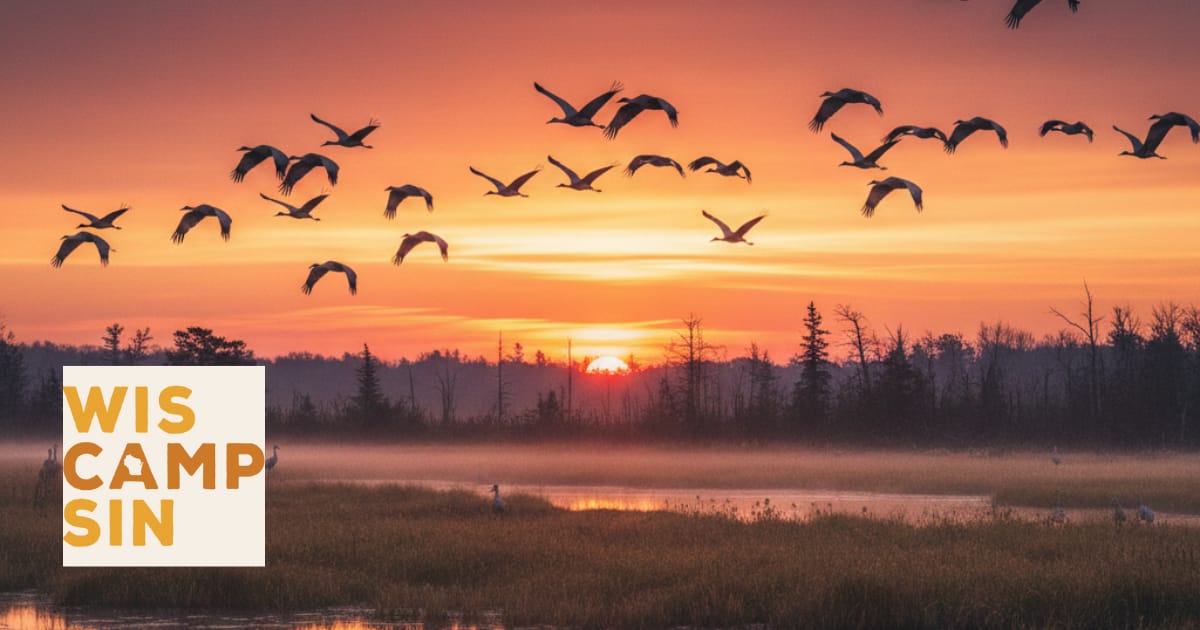
If you’ve ever been out in a Wisconsin marsh at sunrise, you know the sound: that prehistoric, rattling bugle of the Sandhill Crane. It’s a sound that says "Wisconsin wilderness" like nothing else. But right now, there’s a major debate echoing through the halls of the State Capitol about whether those iconic birds should stay on our binoculars or end up on our dinner plates.
A new bill is making the rounds that would establish Wisconsin’s first-ever Sandhill Crane hunting season. Supporters, including many farmers and hunters, point out that the crane population has made a massive comeback since they nearly vanished a century ago. For farmers, these "ribeyes in the sky" (as some hunters call them) are more than just a cool sight—they’re a $2 million-a-year headache for corn and potato crops. Proponents argue that a regulated season would help manage the population and offer a new tradition for Wisconsin outdoorsfolk.
On the other side of the marsh, conservationists and birders are waving a big red flag. Groups like the International Crane Foundation argue that because cranes reproduce so slowly—usually raising just one "colt" a year—a hunting season could send the population into a tailspin faster than you can say "duck blind." There’s also the very real concern about mistaken identity; our critically endangered Whooping Cranes look a whole lot like Sandhills from a distance, and nobody wants a tragic mix-up.
The kicker? Many folks are frustrated because the bill doesn’t include funding to help farmers pay for "Avipel," a non-lethal seed treatment that actually keeps cranes from eating their crops. It’s a classic Wisconsin standoff: trying to find the balance between protecting our agricultural roots and keeping our wild spaces, well, wild. Whether you’re a hunter or a bird-watcher, this is one story worth keeping an eye on as it flies through the legislature.
Whatever it takes to - you guessed it - get out 'der.
WISCAMPSIN WEEKLY POLL
Last Week's Stumper
We asked how 1800s lumberjacks identified their logs during the chaotic spring river drives. You guys knew your history—53% of you nailed this one!
The Correct Answer: C) They used a heavy hammer to stamp a unique symbol.
The Takeaway: These "Log Marks" or "End Hammers" were essentially cattle brands for timber. Every camp registered a unique symbol (like a Star, Diamond, or Letter), allowing "River Pigs" at the mill to sort the millions of floating logs and credit the correct owner.
When a wolf pack travels through deep snow in single file, they step exactly in the leader's footprints. What is the specific term for this energy-saving behavior?In late January, snow depth is often at its peak. To conserve energy while patrolling their territory, wolves move in a line so perfect that from the air, it often looks like only one animal has passed through. |
MEME OF THE WEEK 😆

A review from the trail… Neat fact neighbor!

Well, how'd we do this week? |
Reply